
The Laboratory's Spring Seminar Series with the Participation of Its Scientific Supervisor Fyodor Tatarinov Has Been Completed
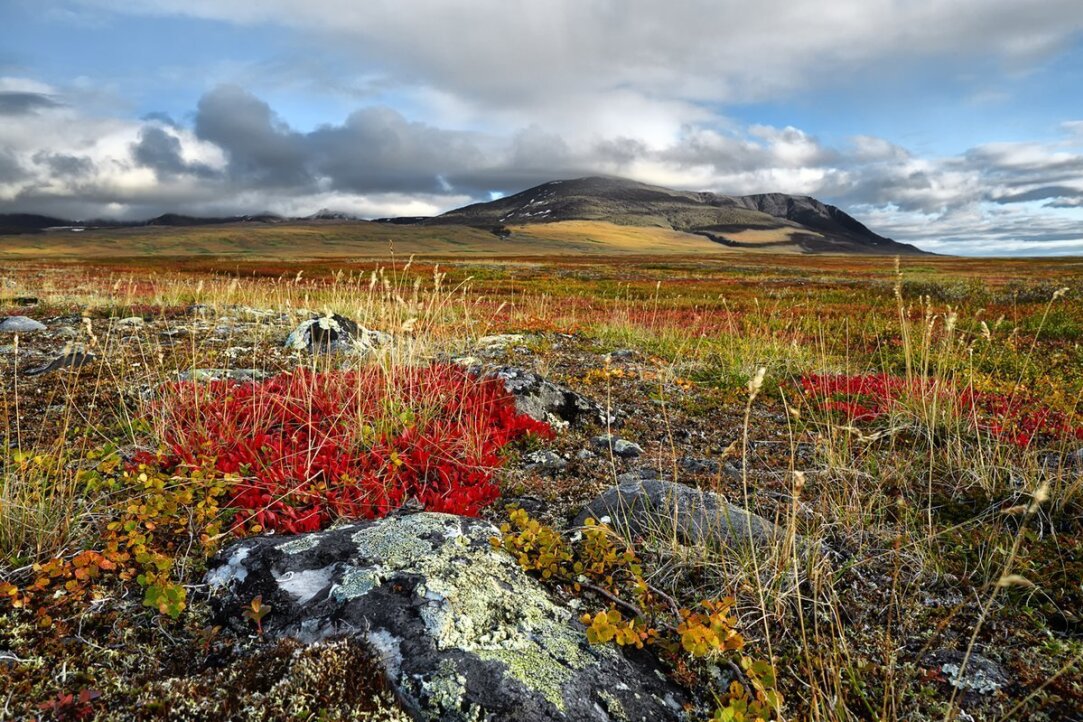
The final workshop "What defines the High-Low Arctic tundra boundary, where it is and how to map it?" was held on 5 June 2024.

The International Laboratory of Landscape Ecology Held the Sixth Seminar of the Spring Series with the Participation of Scientific Supervisor Fyodor Tatarinov
At the workshop, which took place on 29 May, an independent researcher, candidate of economic sciences Alexey Anatolievich Kotko spoke about modelling and economic valuation of ecosystem services.
The Spring Series of Seminars of the International Laboratory of Landscape Ecology Continues
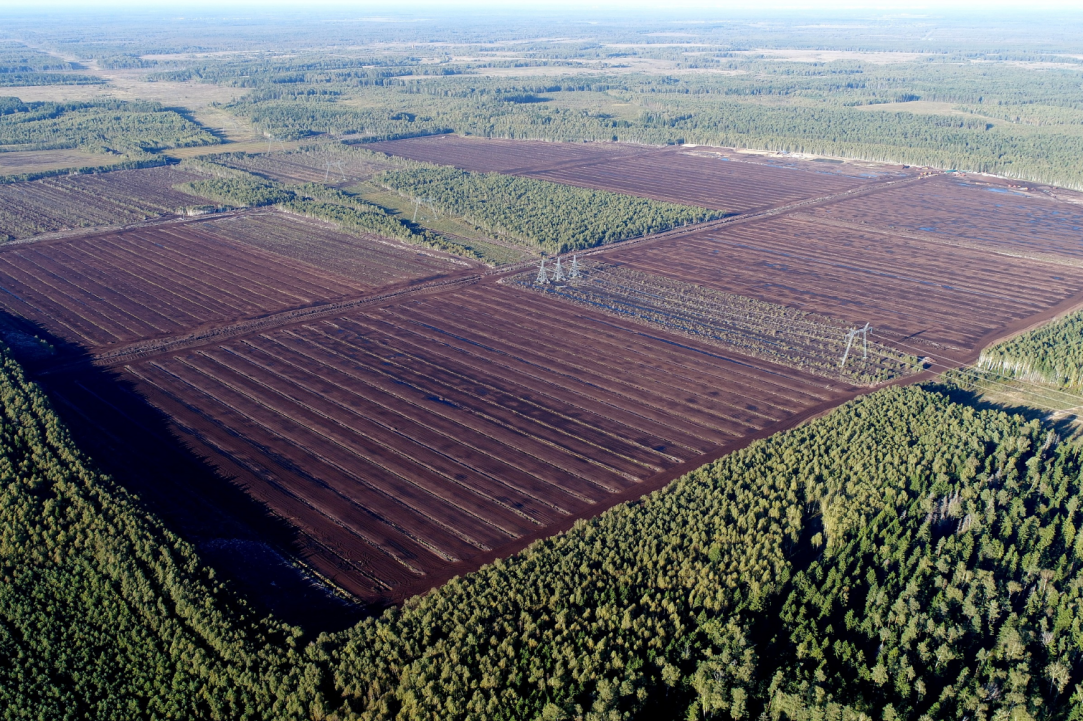
On May 22, 2024, the next seminar "Mapping of disturbed peatlands for fire hazard assessment and implementation of climate projects using remote sensing data" was held.
The Fourth Workshop of the Lab's Spring Seminar Series Was Held, "Overstorying the Arctic: How Do Neural Networks and Satellite Imagery Allow Us to Study Global Ecosystem Transformation at a Detailed Level?"
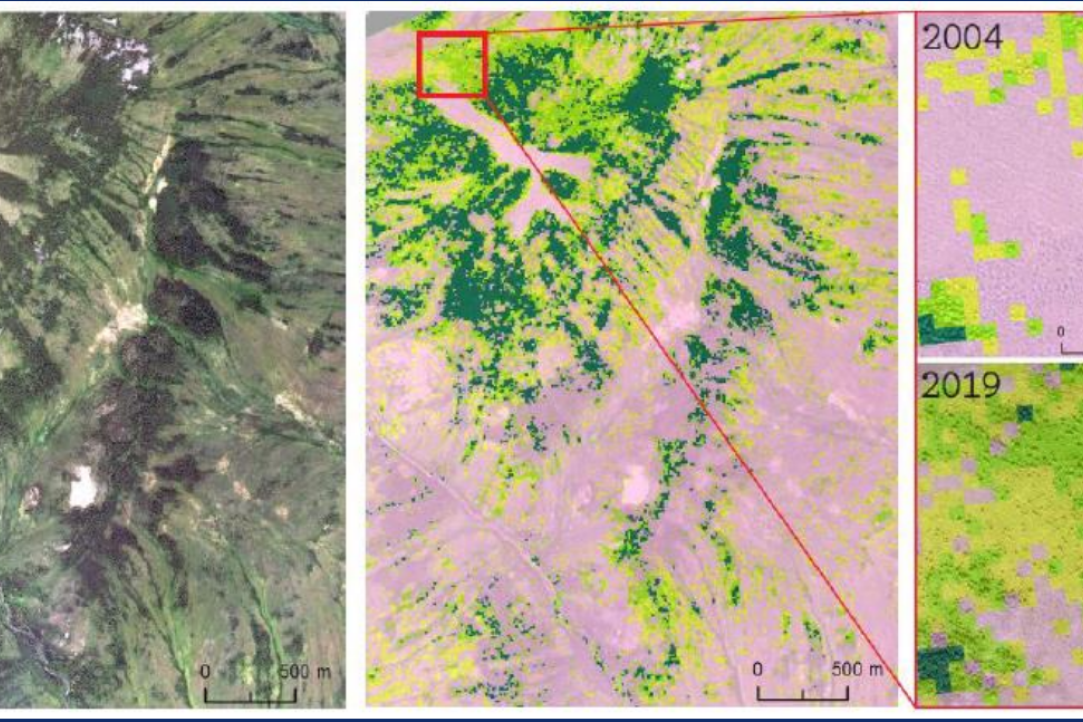
At the workshop of May 15, MLLE ph.D. researcher Anna Derkacheva and her co-authors presented technical aspects of processing the application of convolutional neural networks to assess the dynamics of occlusion of images and thematic results of studying the intensity of occlusion in relation to microclimatic conditions of landscapes.
The Spring Series of Seminars of the International Laboratory of Landscape Ecology Continues
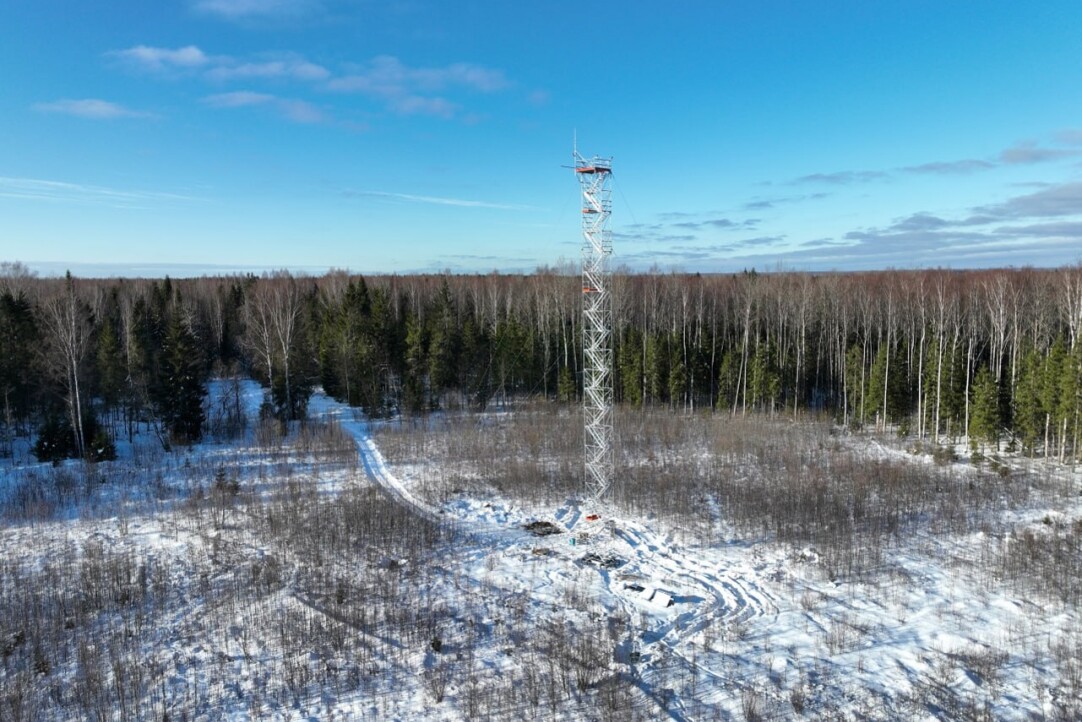
On May 8, 2024, the third seminar "Observations of ecosystem flows of heat, moisture and greenhouse gases using an EX on the territory of the Central Forest Reserve" was held.
The Spring Series of Seminars of the International Laboratory of Landscape Ecology Continues
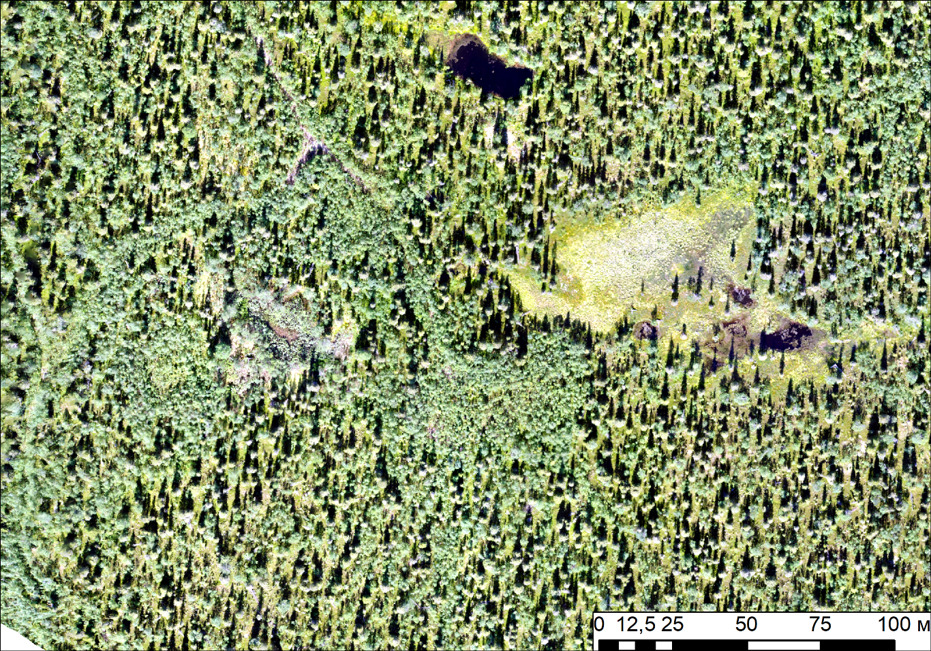
On April 24, 2024, the second seminar "Possibilities of extracting structural parameters of forest ecosystems from photogrammetric and lidar point clouds" was held.
The Spring Series of Seminars of the International Laboratory of Landscape Ecology Has Started
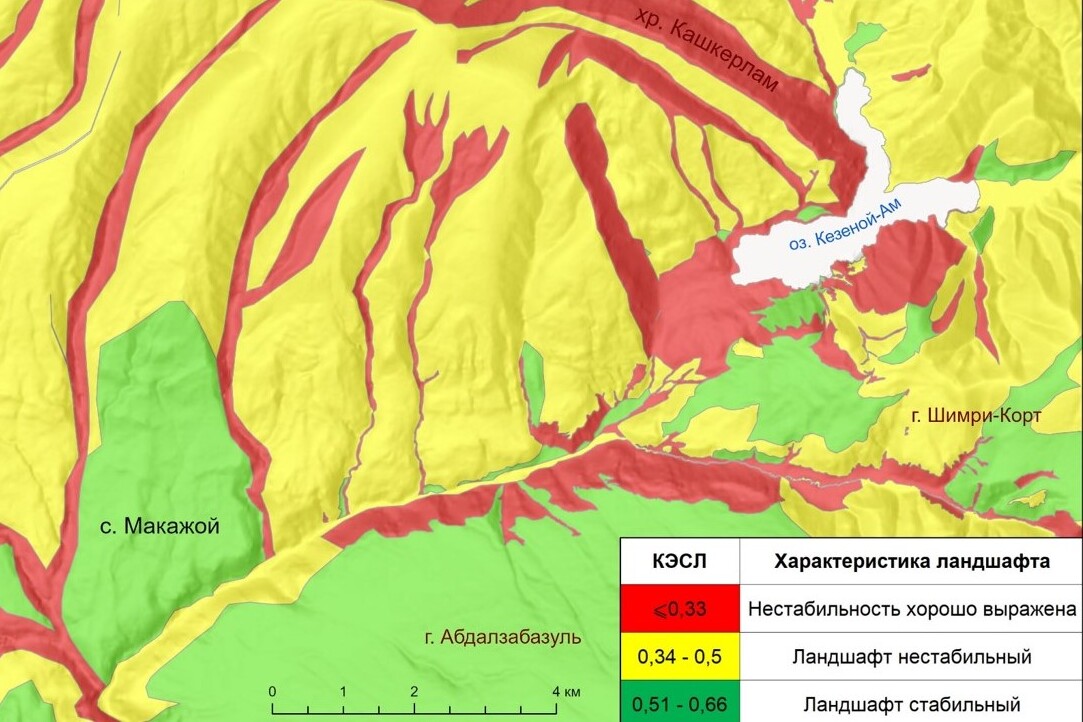
On April 17, 2024, the first seminar "Landscape and ecological assessment of Lake Kezenoi-Am and its surroundings for the purpose of master planning of the territory" was held.
The Workshop on Amur Tiger and Leopard Conservation Research Was Held in Harbin
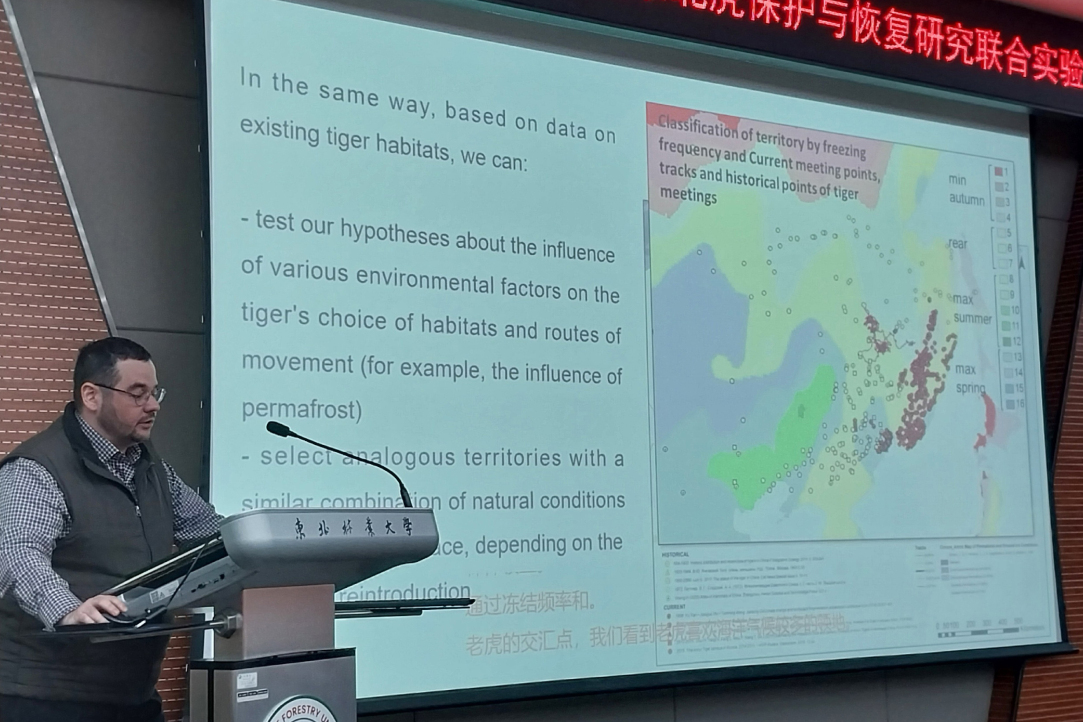
The laboratory staff took part in the Seminar on the conservation of the Amur Tiger and Leopard, held from March 13 to 16 in Harbin (Heilongjiang Province, China), at the Northeastern University of Forestry with the support of the International Society of Zoological Sciences and the Chinese Wildlife Conservation Association.
A Map of Moscow's Pedestrian Accessibility Has Been Created
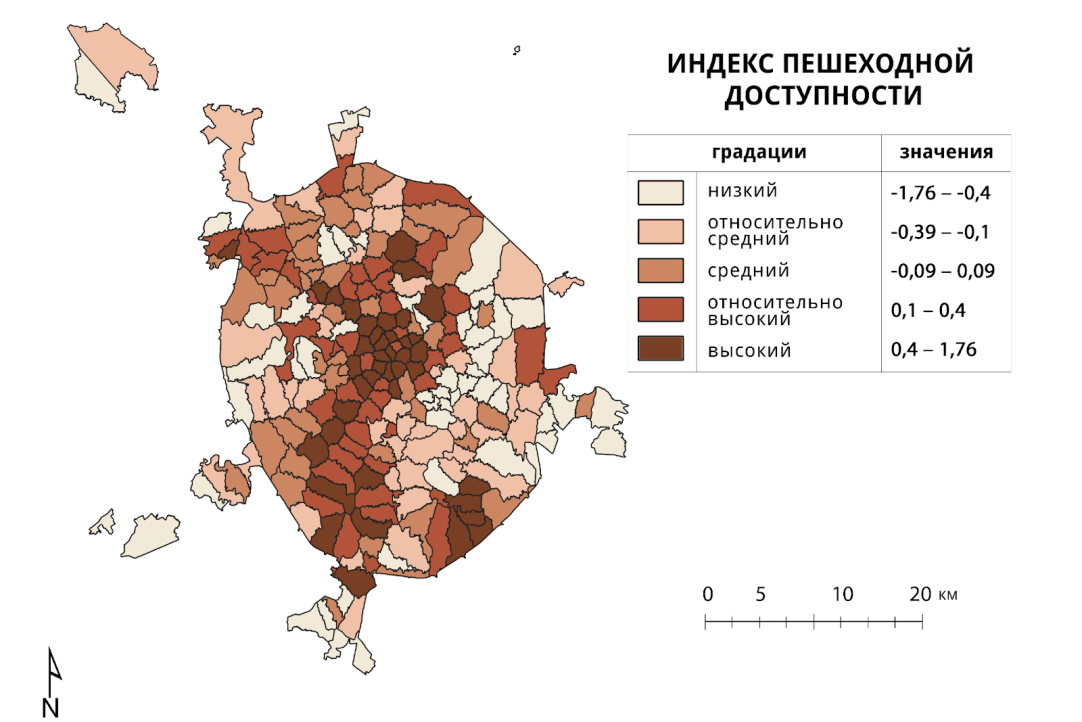
Experts from the Higher School of Economics and Lomonosov Moscow State University studied data on the pedestrian accessibility of Moscow
The Laboratory Researcher Natalia Shartova Joined the Project “Signs of Early Adaptation to Climate Change”
Natalia Sharova, the leading researcher of the International Laboratory of Landscape Ecology, received the position Postdoctoral Fellow in Barcelona Institute for Global Health (ISGlobal).