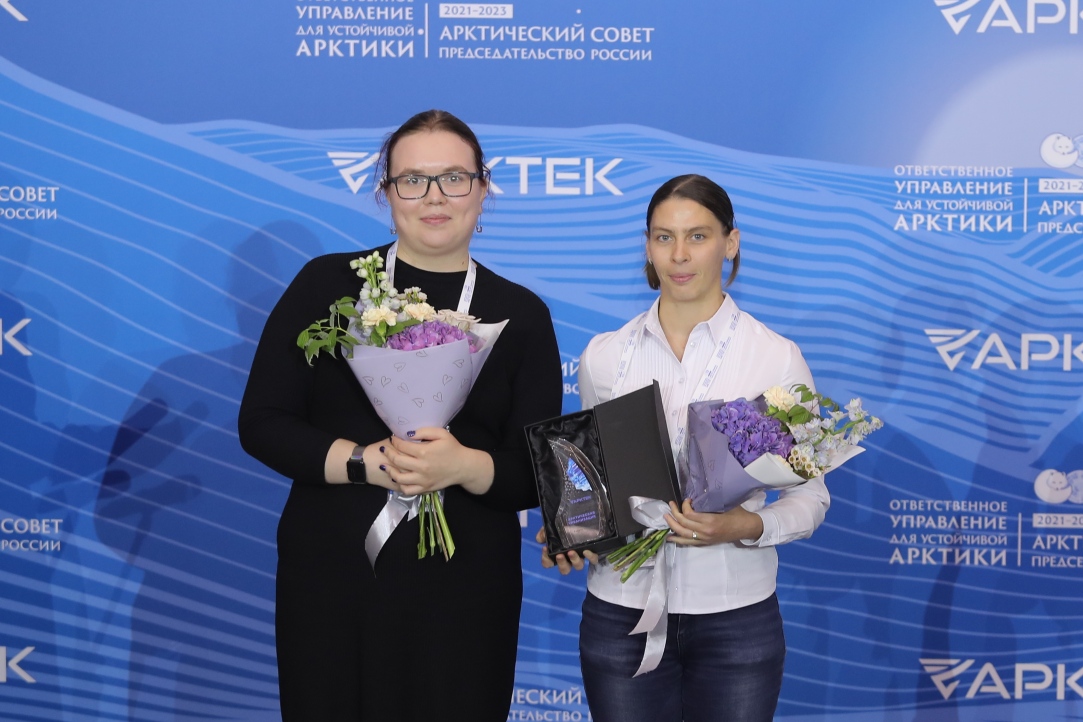
February 11, starting from 2016, is observed as the Day of Women and Girls in Science. Employees of the International Laboratory of Landscape Ecology, Natalia Shartova and Anna Derkacheva, shared their research, discussed the challenges in their work, and answered the question of whether anyone can pursue a career in science.
A group of UN experts has announced that the Earth's ozone layer will recover by the year 2060. Dr. Dmitry Zamolodchikov, a biologist and academic mentor of the "Low-Carbon Development Management" program, discussed the impact of the Montreal Protocol on mitigating the consequences of climate change and explained the concept of stratospheric aerosol injection.
The bachelor’s programme ‘Geography of Global Changes and Geoinformation Technology’ is offered by the Faculty of Geography and Geoinformation Technology, one of the newest at HSE University. One year ago, Yulia Kuznetsova came on as the programme’s academic supervisor. In this interview for the HSE News Service, Yulia Kuznetsova explains her job duties, where HSE geography students do their field work, and why geography itself can make you happy.
The Human Capital Multidisciplinary Research Center has published the 15th issue of theresearch digest. It presents the results of the vulnerability assessment of the Russian populationto climate change, carried out by employees and partners of the Faculty of Geography andGeoinformation Technology (HSE University).
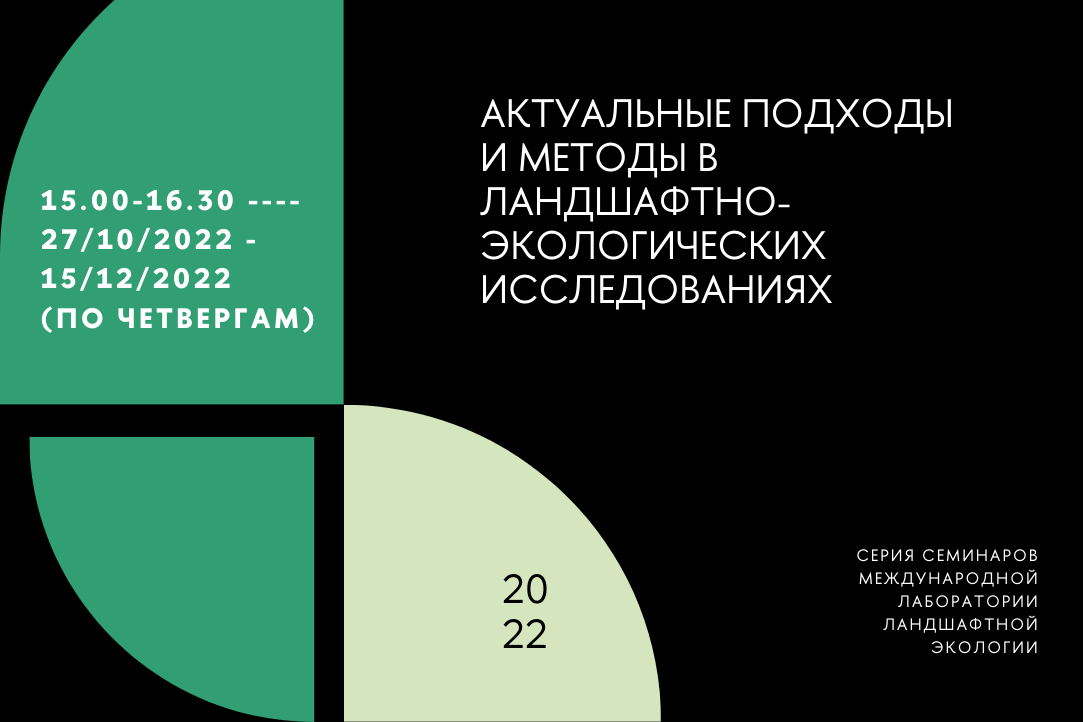
In November - December 2022, the International Laboratory of Landscape Ecology will hold a series of seminars: “Actual approaches and methods in landscape-ecological research”. Seminars are held with the participation of a leading foreign specialist, scientific director of the laboratory Fedor Tatarinov.
The Faculty of Geography and Geoinformation Technologies of the National Research University Higher School of Economics accompanied the university's entry into the Russian Partnership for Climate Preservation.
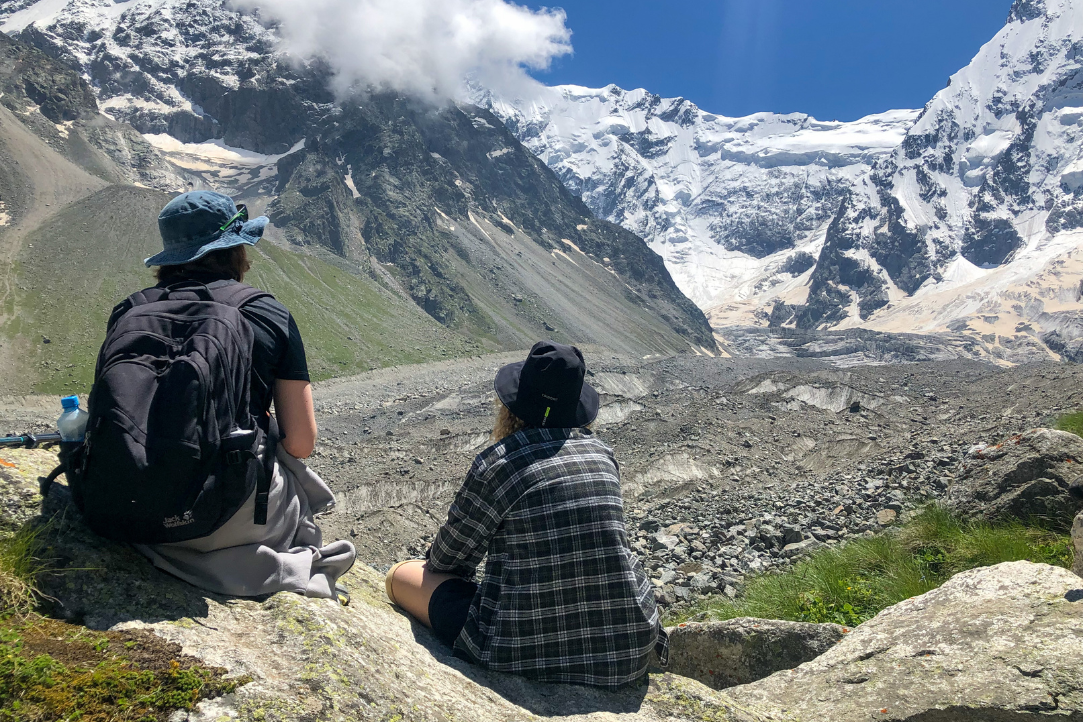
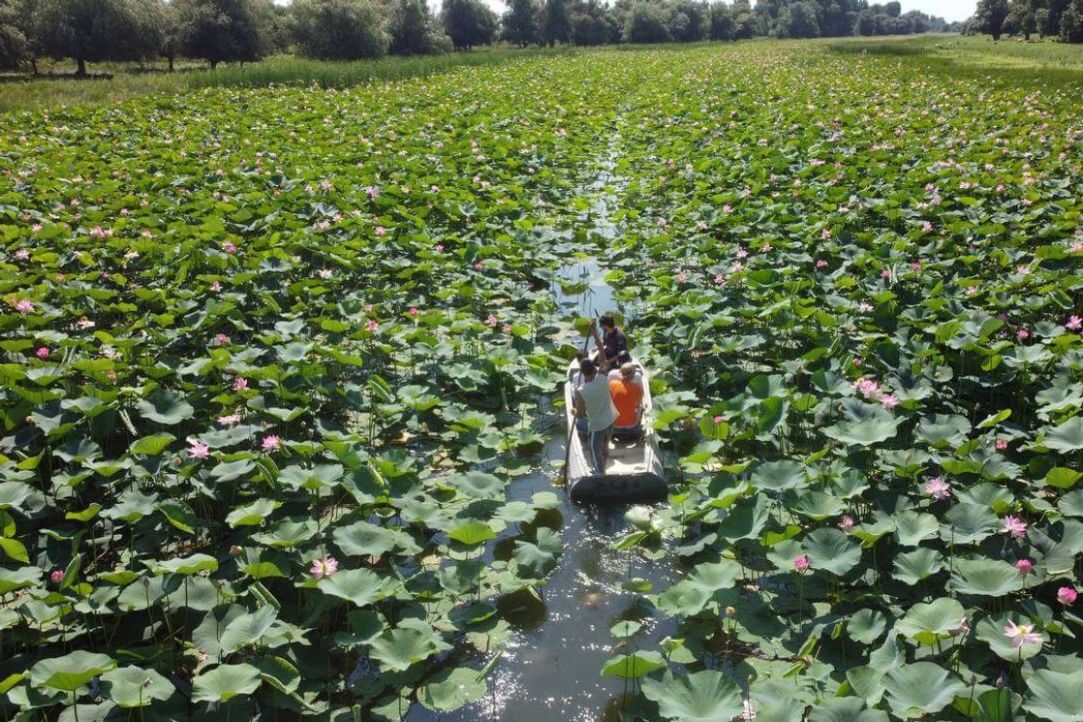
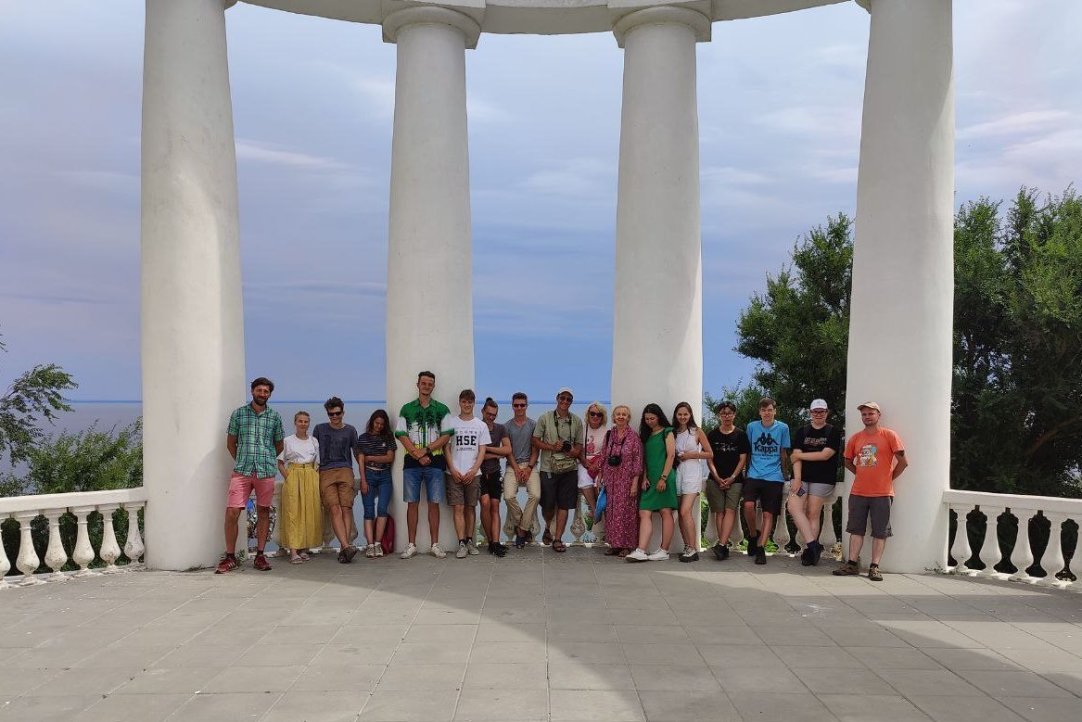
Every summer, HSE University students from various programmes have the opportunity to gain experience in their subject under real conditions. Second-year students of the Bachelor’s in Geography of Global Changes and Geoinformation Technology spent 24 days doing practical work in geoinformation technologies and spatial modelling, 17 of which were spent in the field.
Research fellow of the International Laboratory of Landscape Ecology Vadim Mamkin participated in working conference to unite existing Russian eddy covariance flux stations into a network.
The scientific seminar of the Faculty of Geography and Geoinformation Technologies took place in May. This time, the topic of discussion was the socio-economic reactions of various regions of Russia to the shock caused by the COVID-19 pandemic.